
Number of Return
12 TimesROI
$ 15Total Unit
500Maturity
60 DaysUnite Price
$ 25Return Period
15 HourCapital Back
NoInvestment Last Date
13 Feb 2030


??Southern Egypt???s Western Desert
Number of Return
12 TimesROI
$ 15Total Unit
500Maturity
60 DaysUnite Price
$ 25Return Period
15 HourCapital Back
NoInvestment Last Date
13 Feb 2030You are Sponsoring:
Available Unit
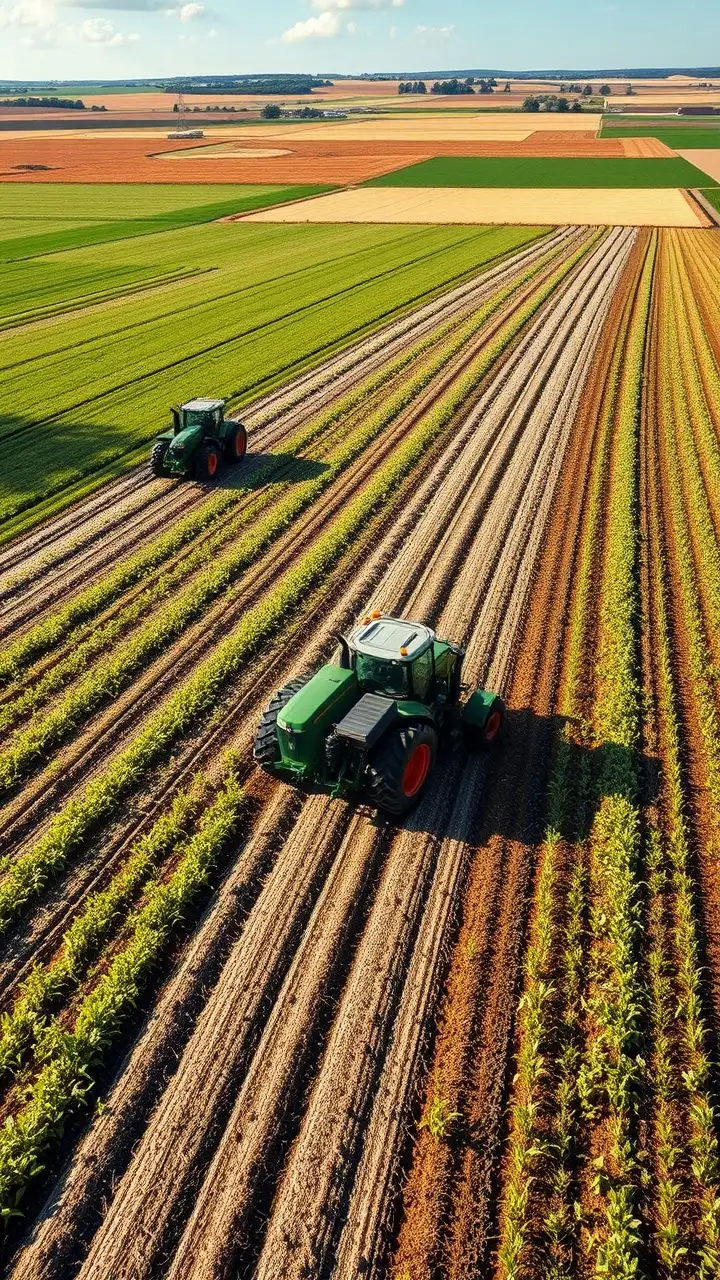
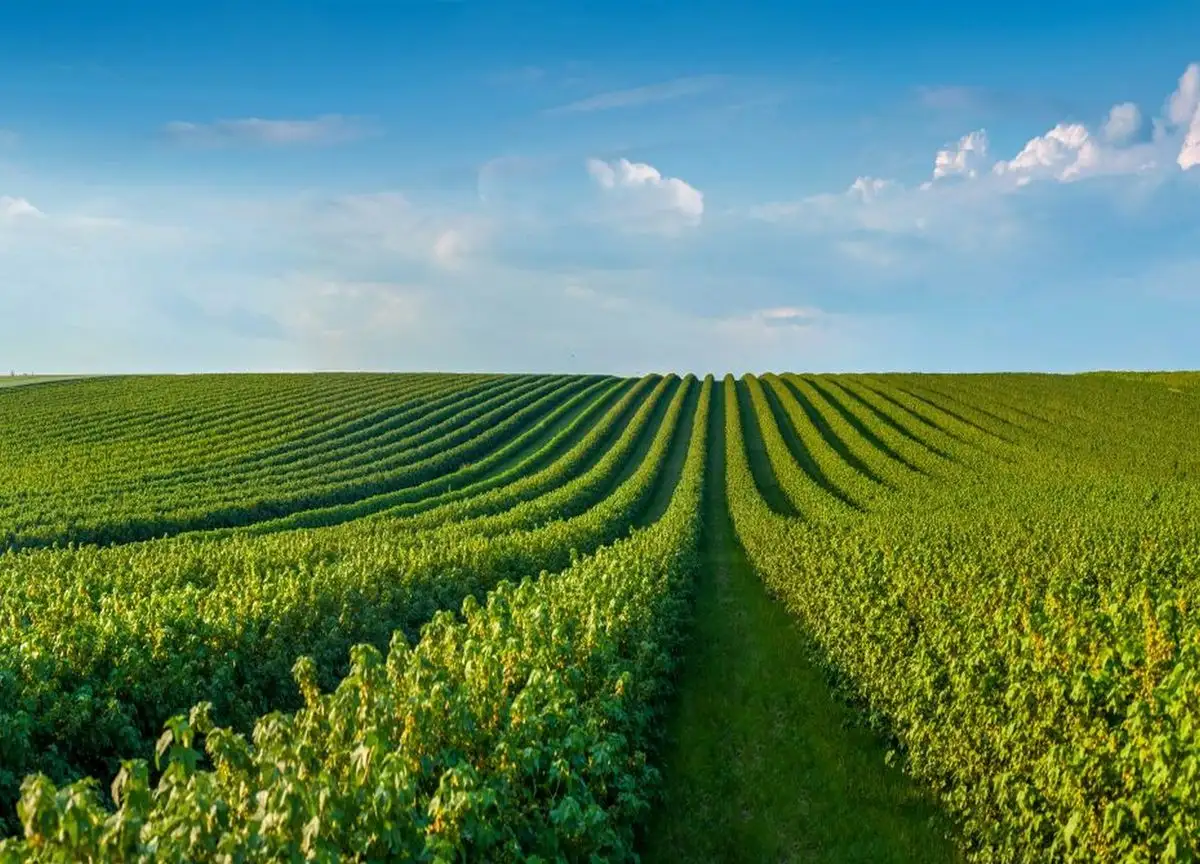
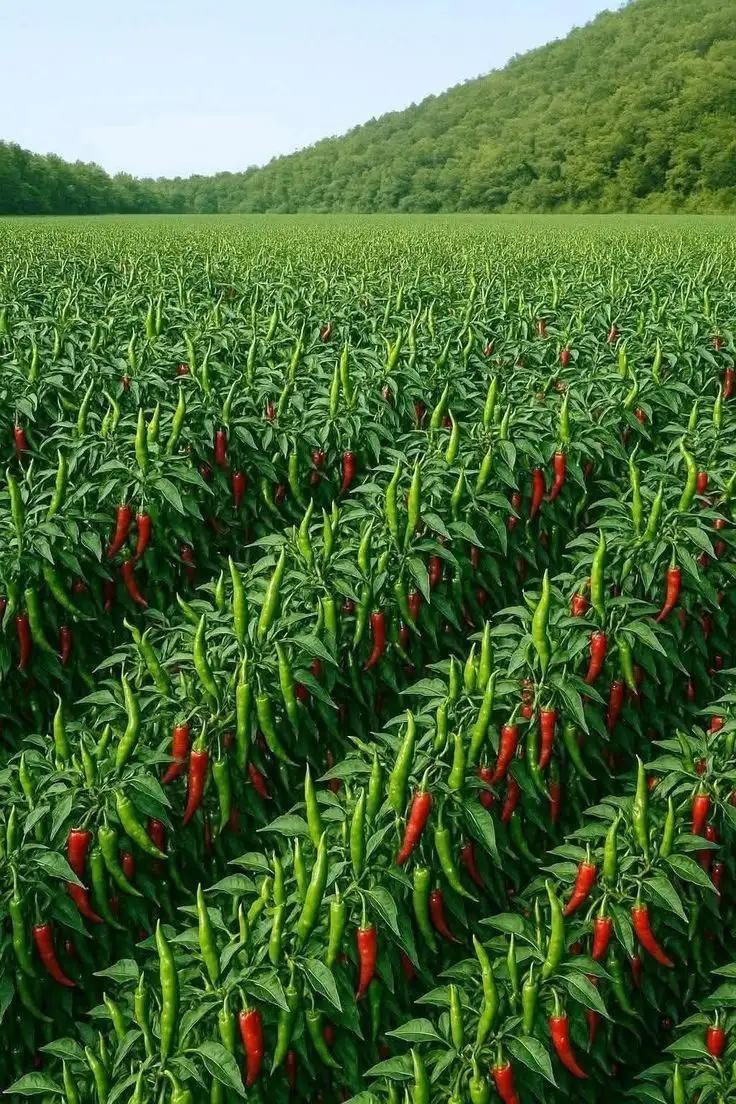
The East Oweinat Project is one of the largest agricultural development projects implemented in southern Egypt???s Western Desert. It aims to add about 220,000 feddans to the cultivated area, fully irrigated using groundwater with modern irrigation techniques and clean agriculture methods to provide pollution-free agricultural production.
The region was named after its location east of Gebel Oweinat, on the Egyptian???Libyan???Sudanese border. The name ???Oweinat??? comes from the natural springs formed by rainwater catchments in the mountain.
The climate is arid continental desert, extremely dry:
Summer temperatures: up to 55??C.
Winter temperatures: as low as -5??C.
Average highs: 17??C in winter ??? 39??C in summer.
Average lows: 5??C in winter ??? 22??C in summer.
Relative humidity: 20% in summer ??? 43% in winter.
Wind speed: 5???8 km/s.
Daily evaporation: 10???32 mm/day.
Situated in El-Dakhla Oasis, New Valley Governorate, in Egypt???s far southwest desert, east of Gebel Oweinat.
Distances from nearby cities:
620 km from Aswan.
380 km from El-Dakhla.
570 km from El-Kharga.
110 km from Bir Shab.
420 km from Abu Simbel.
370 km from Toshka.
Topography: Mostly flat, elevations between 250???300 m above sea level, sloping westward at about 50 m/km.
Total project area: 528,000 feddans, divided into 22 plots (24,000 feddans each).
Maximum cultivated area per plot: 10,000 feddans (to conserve groundwater).
Remaining land used for food industries, silos, housing, storage, and infrastructure.
Planned reclamation: 220,000 feddans, plus a 7,000-feddan experimental farm.
Progress:
Total reclaimed by end of 2022: 190,000 feddans, in two phases:
Phase 1 (1999???2012): 80,000 feddans (Oweinat 1).
Phase 2 (2014???2022): 110,000 feddans (Oweinat 2 & Oweinat 3).
Investors & Operators (22 companies):
National Company for Reclamation and Cultivation of Desert Lands (part of the National Service Projects Organization).
Ministry of Agriculture (Production Sector).
Egyptian Endowments Authority (48,000 feddans, 20,000 for cultivation).
East Oweinat Agricultural Development Company (Saudi Aqeel Investment Group) ??? Plot 14: 24,000 feddans, 10,000 cultivated with 80 wells (230???250 m??/hour each).
Cleopatra Agricultural Development Company (Cleopatra Group) ??? 24,000 feddans, 10,000 cultivated.
Al-Dhahra (UAE) ??? 36,000 feddans, 15,000 cultivated.
Jenaan (UAE), Rokhaa (Saudi Arabia), Egyptian American Co., Wadi Kom Ombo, Al-Shorouk, Irada, Sahara Egypt, Daltex, Golden Nile, California, Oweinat Oasis, Al-Safa, Misr Africa, Navigator.
Field Crops:
Fibers: Cotton.
Fodder: Alfalfa, cowpea, sorghum.
Cereals: Wheat, sorghum.
Legumes: Lentils, soybeans.
Oil crops: Peanuts, sesame.
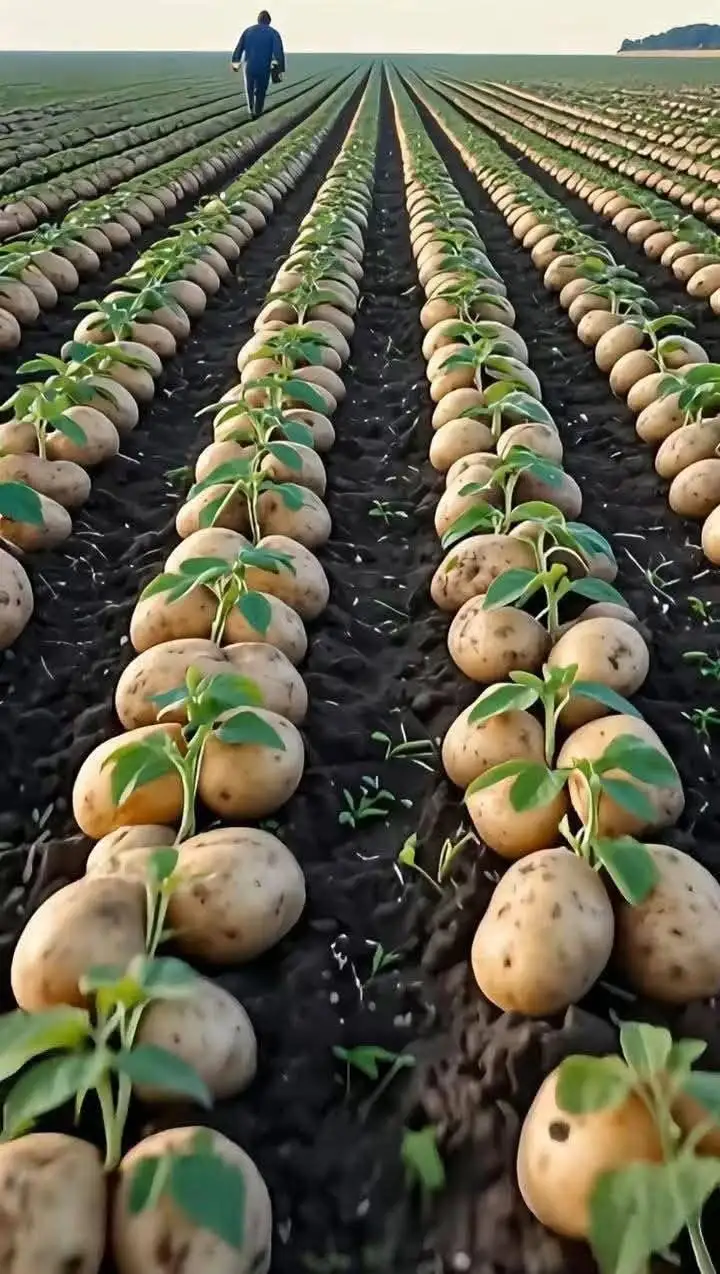
Vegetables: Potatoes.
Medicinal plants: Hibiscus, cumin, anise, licorice, marjoram.
Horticultural Crops:
Dates (dry & semi-dry), figs, pomegranates, citrus.
The area is ideal for livestock breeding and improving breeds due to its clean environment. Companies utilize land for cattle, sheep, camels, and ostrich farming, supervised by the veterinary unit, agricultural mechanization station, research and extension services, and horticultural services of the Ministry of Agriculture.
Water Resources:
Huge aquifer with safe use for 100 years.
Salinity: 200???700 ppm (excellent to very good).
Soil Resources:
Studies on 3.3 million feddans; 1.1 million feddans found suitable for cultivation (high quality).
Energy Studies:
Solar farm of 200 feddans established to test renewable energy use.
Environmental Studies:
Ongoing monitoring of sand dune movement and geological faults by the General Authority for Reconstruction Projects & National Authority for Remote Sensing.
Mostly sandy and sandy-loamy soils, highly suitable for agriculture.
Irrigation from groundwater wells using submersible pumps.
Dependent on the Nubian Sandstone Aquifer (Oweinat Basin):
Annual recharge (Egypt???Sudan border): 126 million m??/year.
Saturated aquifer thickness: 250???650 m.
Water-bearing layers: 100???700 m.
Salinity: 200???700 ppm.
Safe extraction: 4.74 million m??/day (ensures 100 years of sustainable use).
Center-Pivot Irrigation:
Uses rotating pipelines with sprinklers, irrigating circular areas.
Adjustable speed allows precise water application.
Toshka???East Oweinat Axis: dual road, 360 km long, 24 m wide, 2 lanes per direction, including a 350 m bridge over Sheikh Zayed Canal No. 4.
Airports: East Oweinat Airport, El-Kharga Airport, Abu Simbel Airport.
Includes:
Housing (residential units, serviced plots, admin housing).
Local administrative unit.
Health unit.
Agricultural & veterinary units.
Police station, fire station.
Bakery, hotel, 2 gas stations, fuel depot.
Agricultural Credit Bank.
Youth center, mosque.
Power stations (solar & wind).
TV reception station.
Drinking water and wastewater treatment plants.
Petroleum materials depot.
Telephone exchange.
Social development association.
3 ambulance stations.
Seed inspection & sorting station.
Grain silos.


Different term invest made your money secure and choice the best plan for your future asset
Total Asset Raised
Properties Funded
Target Net IRR
Total Investor

The??New Delta Project??is Egypt???s largest land reclamation plan, targeting??2.2???2.8 million feddans??in the Western Desert using surface and groundwater, advanced irrigation, and agro-industrial zones???adding??15% new farmland??to secure food supply and boost exports.

The??East Oweinat Project??is one of Egypt???s largest desert farming initiatives, targeting??220,000 feddans??(out of??528,000 feddans total) irrigated from the??Nubian Aquifer??using center-pivot systems. By 2022,??190,000 feddans??were reclaimed. Located in the??New Valley Governorate, the project grows grains, oilseeds, medicinal plants, and horticultural crops, while supporting??livestock production. It involves??22 companies, major infrastructure (roads, airports, solar energy), and full community services, making it a cornerstone of Egypt???s agricultural expansion in the Western Desert.

The??Minya and Beni Suef Project??reclaims??62,000 feddans??to cultivate key crops, build an??EGP 70 billion agro-industrial hub, and create jobs, boosting??food security and self-sufficiency??in Upper Egypt.
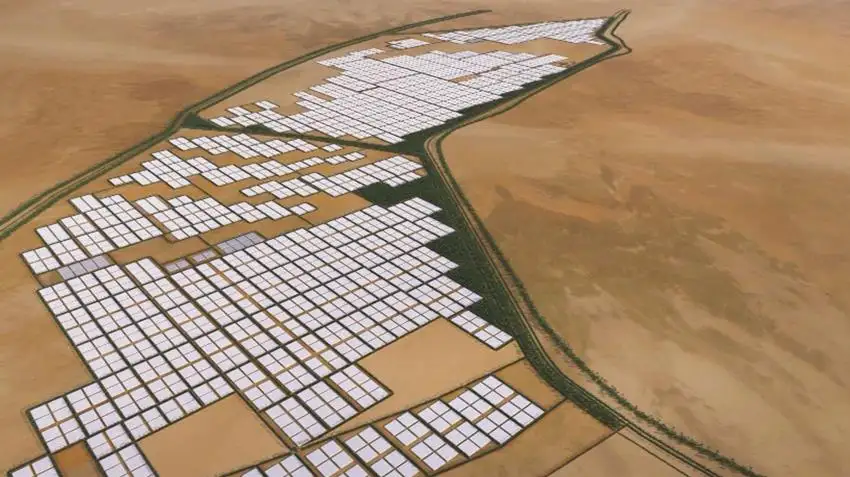
Located in Fayoum, the Lahun Greenhouses Project spans 13,000+ feddans with around 2,000 greenhouses. It produces over 300,000 tons annually of vegetables, fruits, medicinal & aromatic plants, and cut flowers. The project saves up to 80% water through drip irrigation and modern smart farming technologies. With integrated infrastructure (power, wells, sorting & packaging, storage), and proximity to Ain Sokhna and Suez ports, it strengthens food security and boosts agricultural exports.
 your Money